 RU
RU ZH
ZH IT
IT ES
ES TR
TR JA
JA PT
PT KO
KO FR
FR DE
DE AR
AR ID
ID
Android Touch Panel PC Connectivity: HDMI, USB, LAN and TF Card Explained
Learn More

Large touch displays are often evaluated by resolution first, but resolution alone does not determine whether an image looks natural, detailed, and easy to interpret. A 65-inch screen can provide 4K resolution and still produce limited visual results if its color reproduction and image processing are not well matched to the display size. For professional interactive applications, HDR, color depth, and color gamut can have a direct effect on how clearly users distinguish visual information.
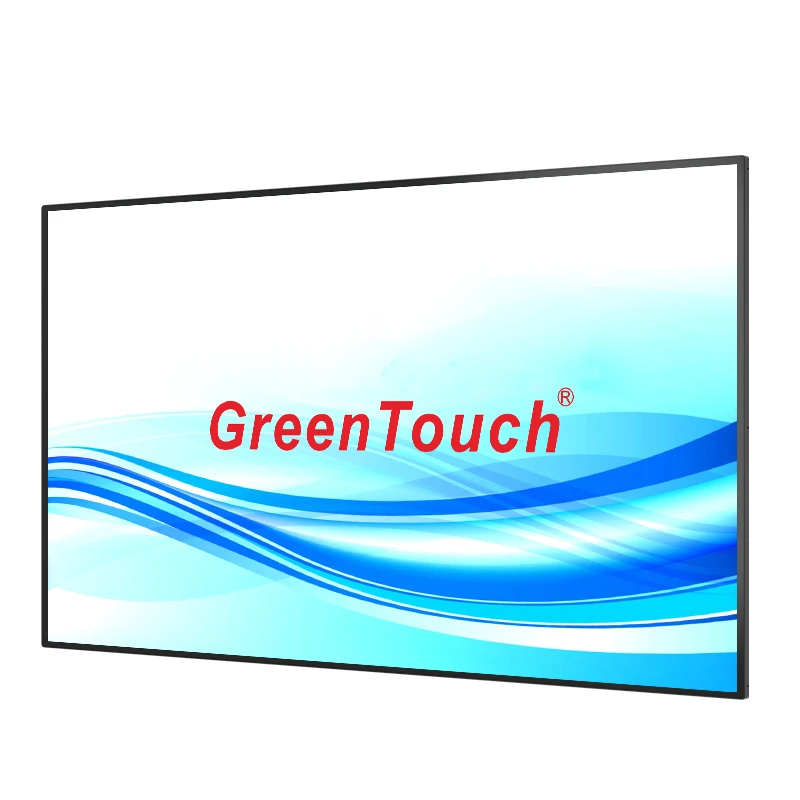
The 65 Inch 4K UHD Touch Screen Monitor combines 3840 × 2160 UHD resolution with 1.07 billion display colors, HDR, 99% sRGB coverage, and 95% DCI-P3 coverage. These specifications work together rather than functioning as isolated features. When the display is used for interactive presentations, control interfaces, professional visualization, education, commercial displays, or other large-screen applications, the combination can provide more distinct transitions between colors, better highlight and shadow detail, and a more natural overall image.
HDR Helps Separate Bright and Dark Image Areas
High Dynamic Range, or HDR, is mainly concerned with the range of brightness and contrast represented in an image. On a large display, this can be particularly useful because viewers are more likely to notice differences between bright highlights, midtones, and darker areas.
Without sufficient dynamic range, bright areas may appear washed out while darker portions can lose visible detail. HDR is designed to preserve more information across these areas. For example, a technical visualization containing both illuminated components and darker structural sections can benefit from clearer separation between the two.
The HDR capability of the 65 Inch 4K UHD Touch Screen Monitor is therefore not simply an additional display specification. It supports a more differentiated image, particularly when content contains strong changes in brightness. This is useful in environments where users need to inspect visual information rather than simply watch general video content.
For interactive applications, image clarity also matters when the user is touching the screen, moving objects, reading diagrams, or comparing visual elements. A clearer image can make the relationship between the interface and the displayed content easier to understand.
Why 1.07 Billion Colors Matter
Color depth determines how many individual color values a display can reproduce. The monitor uses 1.07 billion display colors, providing substantially more color gradations than displays with a more limited color range.
The practical benefit is smoother color transitions. When a display has insufficient color gradation, subtle changes may appear as visible steps instead of a continuous transition. This effect is commonly referred to as color banding. It can be noticeable in gradients, photographs, digital graphics, maps, rendered scenes, and other visual content.
With 1.07 billion colors, the 65 Inch 4K UHD Touch Screen Monitor can represent finer differences between adjacent shades. This does not mean that every application will visibly use all available color values, but it gives the display greater capability when the source content contains detailed gradients or complex color information.